
Interior Trends
Sustainable interior design in 2026 is about longevity, low-toxicity finishes, reuse, and warmer minimalism. Here’s what’s shaping better interiors.
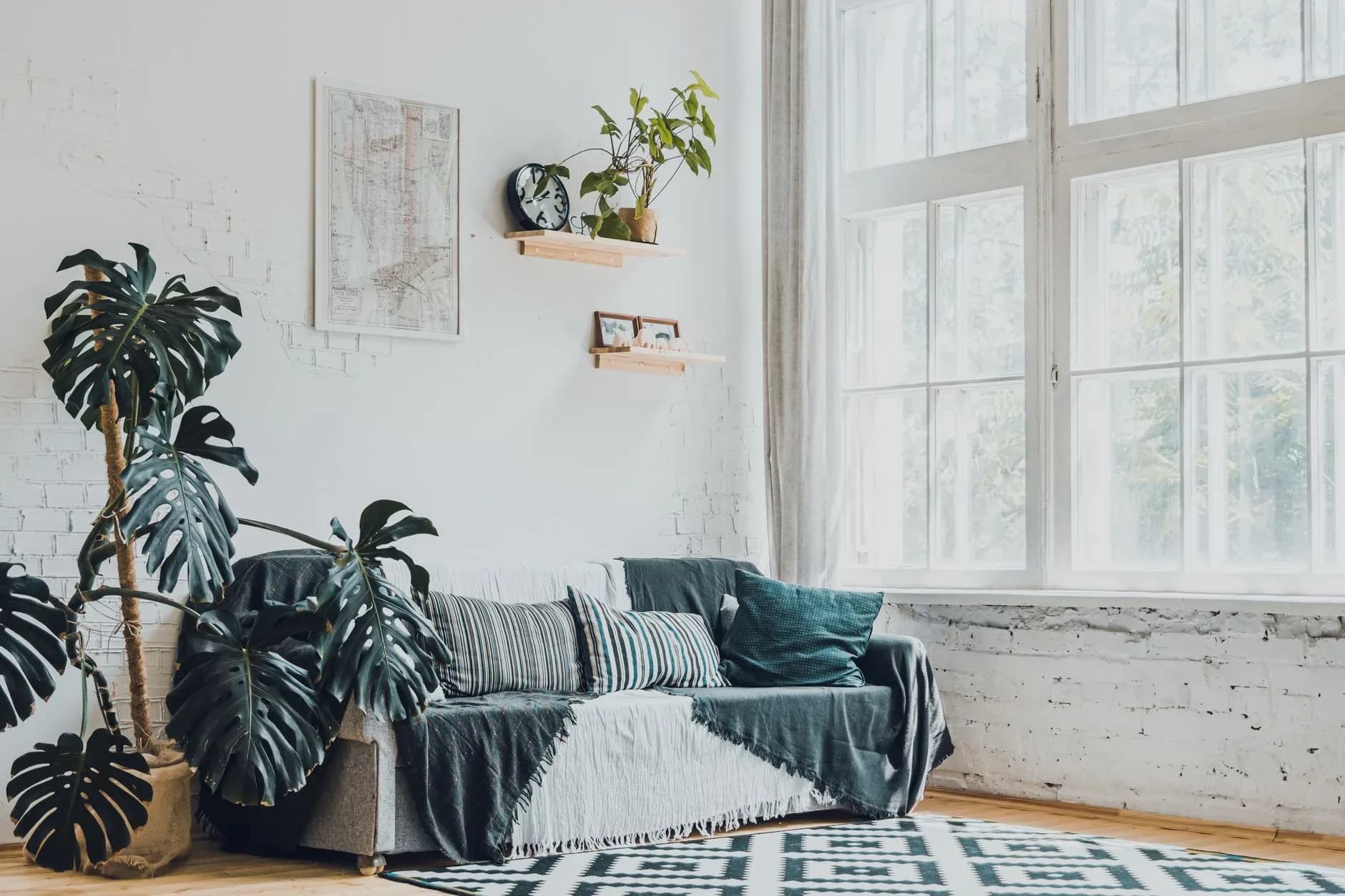
Sustainable interior design in 2026 is less about announcing your values and more about proving them in the details. The best spaces now look calm, durable, and considered because they are. Materials last longer, layouts adapt more easily, and the most desirable rooms are designed to age well instead of chasing a short-lived look.
That shift matters. Homeowners and designers are moving away from disposable finishes, high-maintenance surfaces, and trend cycles that demand constant replacement. The new standard is an interior that feels refined on day one and still makes sense years later. If you want a home that supports lower waste, healthier living, and better long-term value, these are the trends shaping 2026.
1. Design for longevity, not replacement
The strongest sustainable trend for 2026 is also the least flashy: choose pieces that can stay in the room for a decade or more. That means solid construction, repairable components, and finishes that improve with use instead of showing every mark.
This approach is changing how people shop. Instead of buying matching sets, they are investing in a few anchor pieces with real staying power: a well-made sofa, a dining table with a repairable surface, shelving that can be reconfigured, and lighting that can move from room to room as needs change.
Longevity also changes the design process. A room planned around flexible furniture and timeless proportions is easier to update with small changes, which reduces waste over time. You can refresh textiles, art, and accent colors without tearing out the whole space.
2. Natural materials with visible character
In 2026, natural materials are still central to sustainable interiors, but the emphasis has moved from perfection to authenticity. Designers are choosing wood with grain variation, stone with movement, clay plaster with texture, linen with a lived-in finish, and wool that feels tactile rather than polished.
Why the shift? Materials that show their natural character tend to feel more enduring. They also age in a way that synthetic substitutes often cannot match. A table that develops a patina or a floor that softens over time can feel more beautiful after years of use, not less.
There is also a practical side. Many natural materials are easier to repair, refinish, or repurpose. If sustainability is the goal, that matters more than a surface-level “eco” label.
What to look for
- Solid wood instead of veneer where durability matters most
- Recycled stone or responsibly sourced stone for countertops and tabletops
- Clay, limewash, and mineral-based wall finishes for low-toxicity texture
- Natural fiber rugs and upholstery with replaceable covers
3. Lower-toxicity finishes are becoming standard
Sustainable design is no longer only about sourcing. It is also about what a room releases into the air after the project is finished. In 2026, more homeowners are asking for low-VOC paints, formaldehyde-free cabinetry, and adhesives and sealants that support better indoor air quality.
This trend is especially important in bedrooms, nurseries, home offices, and any space where people spend long stretches of time. A beautiful room should not come with a hidden cost in comfort or health.
The good news is that low-toxicity products are now easier to specify without sacrificing performance. Paints cover better, finishes are more durable, and manufacturers are offering more transparent ingredient lists. That transparency is becoming part of the design brief, not an afterthought.
4. Reuse is replacing overbuying
One of the clearest sustainable interior design trends for 2026 is the rise of reuse as a design strategy. Instead of starting from zero, more projects are built around what already exists: inherited furniture, vintage finds, salvaged architectural details, and pieces that can be restored rather than replaced.
This is not about making a room look random. It is about building a space with depth. A restored dresser, a reupholstered chair, or original millwork can give a room more character than a fully new fit-out, while cutting down on material demand.
Designers are also getting better at mixing old and new so the result feels intentional. The key is balance: one or two strong vintage pieces can ground a room, while newer elements keep it functional and comfortable.
Smart reuse ideas
- Refinish existing hardwood instead of replacing it
- Reupholster quality frames rather than buying new seating
- Use salvaged doors, beams, or shelving in visible ways
- Source vintage lighting and have it rewired professionally
5. Modular furniture is getting more refined
Modular furniture used to signal compromise. In 2026, it signals intelligence. Sofas with replaceable sections, shelving systems that expand over time, and tables that adapt to different room sizes are becoming more elegant and more desirable.
The appeal is simple: fewer replacements. When a home changes, the furniture should not need to be discarded. Modular systems let you reconfigure, repair, and scale pieces as your life changes, which is one of the most practical forms of sustainability.
Designers are also paying closer attention to visual quality. The best modular pieces no longer look temporary. They have cleaner lines, better materials, and a more architectural presence, so they fit into refined interiors instead of only practical ones.
6. Biophilic design is moving beyond houseplants
Biophilic design is still popular, but in 2026 it is evolving beyond adding greenery to a room. The broader idea is to create spaces that feel connected to nature through light, texture, airflow, and spatial rhythm.
That means larger windows where possible, softer transitions between indoors and outdoors, natural textures underfoot, and layouts that support daylight rather than block it. It also means using plants with purpose, not as decoration alone.
This matters for sustainability because spaces that work with natural light and ventilation can reduce dependence on artificial systems. A room that feels bright and breathable during the day is not just more pleasant; it can also be more efficient.
Design moves that support biophilia
- Use sheer window treatments to keep daylight usable
- Place mirrors to bounce light deeper into a room
- Choose tactile materials that echo outdoor surfaces
- Prioritize cross-ventilation and airflow in the layout
7. Circular design is becoming a design brief
Circular design means thinking about the full life of a product, not just how it looks in the room. Can it be repaired? Can it be disassembled? Can its parts be reused? In 2026, these questions are moving from niche to mainstream.
For interiors, this affects everything from cabinetry to lighting. Products designed for disassembly are easier to maintain and less likely to end up in landfill when a single part fails. That is a practical advantage for clients and a major win for sustainability.
More brands are responding with replaceable cushions, modular hardware, recyclable packaging, and take-back programs. Designers who understand these systems can make better recommendations and help clients make purchases that last beyond the current project.
8. Warm minimalism is replacing sterile minimalism
Minimalism is not disappearing in 2026, but it is softening. The cold, empty look associated with earlier versions of minimal design is giving way to spaces that are pared back without feeling severe.
Warm minimalism uses fewer objects, but each one has more presence. Think natural wood, textured textiles, rounded silhouettes, and a restrained palette with depth rather than flatness. The result is calmer and more livable, which often means fewer impulse purchases and less churn over time.
This trend supports sustainability because it encourages editing. When a room feels complete with less, there is less pressure to keep adding more.
9. Local sourcing is getting more attention
Shipping is one of the most overlooked parts of interior design’s environmental footprint. In 2026, more designers are choosing local and regional makers to reduce transport impact and support better traceability.
Local sourcing also improves the quality of the project. It is easier to visit a workshop, inspect materials, and collaborate on custom details when the maker is nearby. That often leads to better craftsmanship and less waste from miscommunication.
For clients, the benefit is a space that feels connected to its place. A home furnished with regional materials and local craftsmanship tends to feel more grounded than one assembled entirely from generic imports.
How to apply these trends without overhauling everything
You do not need a full renovation to design more sustainably in 2026. In fact, the most effective changes are often the least dramatic. Start with the pieces that have the biggest environmental footprint or the shortest useful life.
If you are updating one room, focus on what will stay: flooring, cabinetry, large furniture, and lighting. Choose durable materials, repairable construction, and finishes that will not need to be replaced in a few years. Then layer in softer changes like curtains, rugs, and cushions, which are easier to swap later.
If you are working with a designer, ask direct questions. Where did this material come from? Can it be repaired? Is it low-VOC? Can it be disassembled at the end of its life? Those questions push the project toward better decisions without sacrificing style.
The real direction of sustainable design in 2026
The biggest change in sustainable interior design for 2026 is not a single material or color palette. It is a mindset shift. The best interiors are no longer the ones that look newest. They are the ones that are built to last, easy to live with, and thoughtful about their impact.
That is good design in any year. In 2026, it is also the clearest path to a home that feels current without becoming disposable.